
Among the many artists of Japan’s Shin-Hanga movement, few are as beloved today as Ohara Koson. His graceful birds, delicate flowers, and seasonal landscapes continue to captivate viewers more than a century after they were created.
Even people unfamiliar with Japanese art often recognize his work. There is something immediately appealing about the quiet elegance of a heron standing by the water, a pair of sparrows resting among blossoms, or a kingfisher perched on a branch.
But who was Ohara Koson, and why do his prints remain so popular today?
A Life Dedicated to Nature
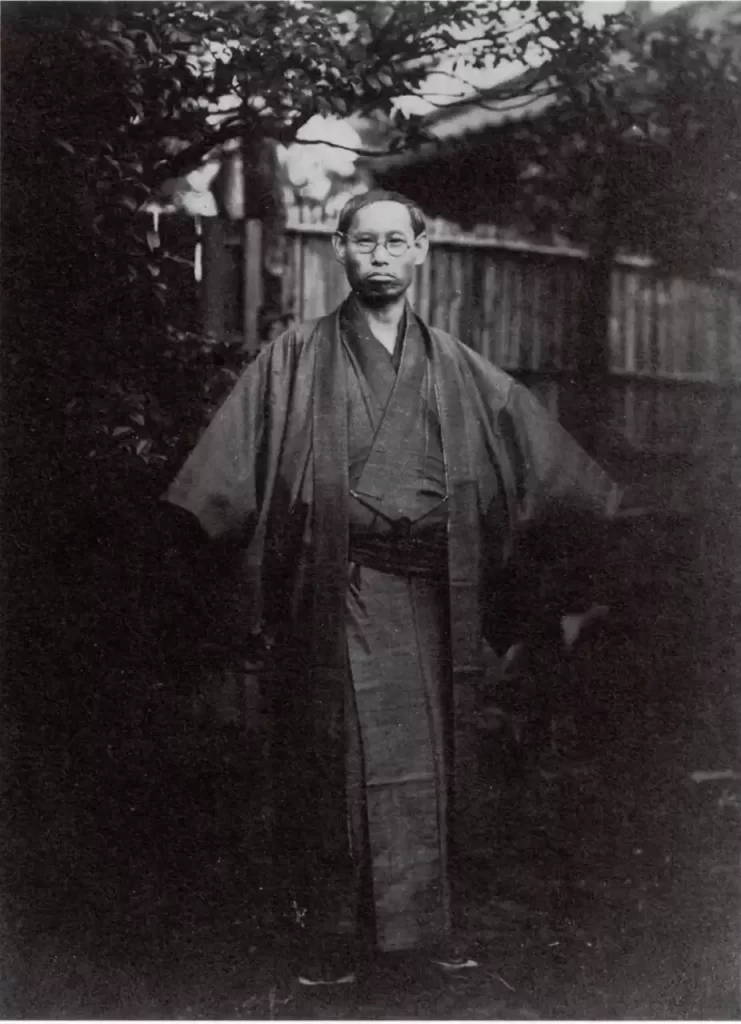
Ohara Koson was born in 1877 during a period of tremendous change in Japan. Traditional artistic practices were evolving as the country modernized and opened to international influences.
Although he initially studied painting, Koson became best known for his woodblock print designs featuring birds, flowers, insects, and natural scenes.
His work reflected careful observation of the natural world. Rather than creating dramatic narratives, he focused on moments that felt quiet, intimate, and alive.
Part of the Shin-Hanga Movement
Koson is often associated with the Shin-Hanga movement, which emerged in the early twentieth century.
Shin-Hanga, meaning “new prints,” combined traditional Japanese woodblock techniques with artistic ideas that appealed to both Japanese and international audiences.
Artists worked alongside skilled carvers, printers, and publishers to create prints that emphasized atmosphere, light, and beauty.
Koson’s nature subjects fit perfectly within this movement.
Why Birds Appear So Often
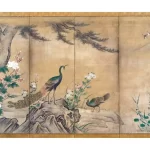
Birds became one of Koson’s most recognizable subjects.
He portrayed:
- Herons
- Cranes
- Kingfishers
- Sparrows
- Owls
- Ducks
- Songbirds
Rather than presenting them as scientific studies, he depicted them as living creatures interacting with their environment.
Many prints capture a single fleeting moment—a bird turning its head, resting after rain, or preparing to take flight.
The Beauty of Simplicity
One reason Koson’s work feels so modern is its restraint.
His compositions often contain:
- Generous open space
- Limited color palettes
- Clear focal points
- Natural movement
This simplicity allows viewers to focus on the subject without distraction.
The result is artwork that feels calm rather than crowded.
Why His Work Remains Popular Today
Modern audiences continue to appreciate Koson’s prints because they offer something increasingly rare: stillness.
His images encourage viewers to pause and notice details that might otherwise go unnoticed.
A branch covered in snow. The curve of a wing. Reflections on water.
These subjects may seem ordinary, yet Koson reveals their quiet beauty.
A Lasting Legacy

Today, Ohara Koson is widely regarded as one of Japan’s finest bird artists.
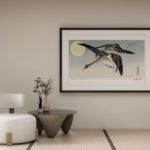
His prints are collected, exhibited, and admired around the world. More than a century after their creation, they continue to bring a sense of calm and connection to nature into people’s homes.
Perhaps that is Koson’s greatest achievement. Through simple observations of the natural world, he created artwork that remains timeless.