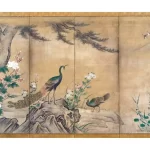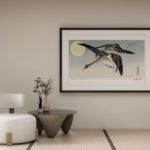

Many forms of art are closely tied to a particular time or place. Yet Japanese woodblock prints created more than a century ago continue to resonate with people around the world today.
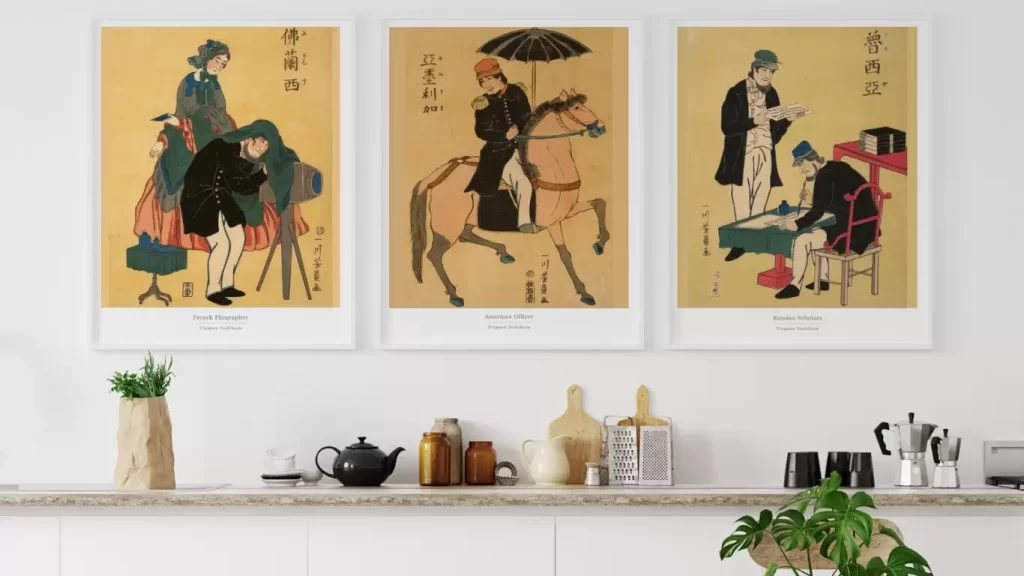
Whether displayed in a modern apartment, a traditional home, or a quiet office, these artworks often feel surprisingly contemporary. Their appeal goes beyond nostalgia or historical interest. They speak to something many people are searching for in modern life: beauty, balance, and a connection to nature.
A Different Approach to Beauty
Traditional Japanese artists often found inspiration in ordinary moments.
A bird perched on a branch. Moonlight reflected on water. Rain falling on a village street. A single flower blooming at the edge of a season.
Rather than focusing on grand events or dramatic subjects, many Japanese prints celebrate small moments that might otherwise go unnoticed.
This approach encourages viewers to slow down and pay attention to the world around them.
The Lasting Appeal of Nature
Nature remains one of the most recognizable themes in Japanese art.
Mountains, rivers, flowers, birds, and changing seasons appear again and again. These subjects connect people across cultures because they are familiar and universal.
Even in today’s increasingly digital world, images of nature can create a sense of calm and grounding. A print featuring a crane, a flowering branch, or a peaceful landscape offers a visual reminder of rhythms that exist beyond busy schedules and screens.
Simplicity That Doesn’t Feel Empty
Many people are drawn to Japanese art because of its balance.
There is often a sense of restraint in the composition. Space is allowed to breathe. Details are carefully chosen rather than crowded together.
This simplicity feels especially relevant today, when many people seek homes that feel calm rather than overwhelming.
Japanese prints can complement modern interiors without competing for attention. They add character while preserving a sense of openness.
Art That Carries Meaning
Traditional Japanese imagery often contains layers of symbolism.
Birds may represent longevity, perseverance, or seasonal change. Flowers can evoke specific times of year. Landscapes may express emotions through weather, light, or atmosphere.
Even when viewers are unfamiliar with these symbolic traditions, they often sense that the artwork carries a deeper story.
This quiet richness encourages repeated viewing and continued appreciation over time.
A Connection Across Generations
Many of the artworks we admire today were created by artists who carefully observed the world around them more than a hundred years ago.
Their work allows us to share in those observations and experiences. Through art, a moment that might otherwise have been forgotten continues to be seen and appreciated.
In this way, Japanese art creates a bridge between past and present.
Bringing Timeless Art Into Modern Life
Choosing artwork for a home is not only about decoration. It is also about creating an environment that reflects what we value.
For many people, Japanese art offers a combination of beauty, craftsmanship, and quiet meaning. Its themes remain relevant because the questions it explores are still relevant: How do we notice beauty? How do we find balance? How do we stay connected to the natural world?
Perhaps that is why these artworks continue to feel at home in modern spaces.
Though created in another era, they still have something to say.