
Flowers have long played an important role in Japanese art. Beyond their beauty, they often carry symbolic meanings connected to the seasons, cultural traditions, and the passage of time.
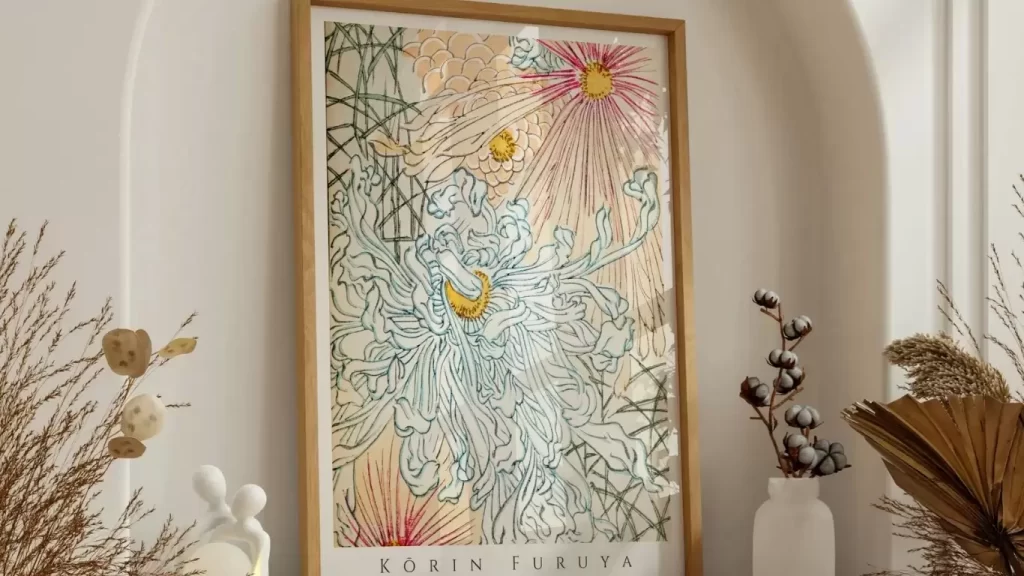
Artists frequently used flowers not only as decorative subjects but also as a way to communicate ideas and emotions.
Understanding these symbols can add a new layer of appreciation to traditional Japanese artwork.
Cherry Blossoms (Sakura)
Perhaps the most famous flower in Japan, cherry blossoms symbolize the fleeting nature of life.
Their brief blooming season reminds us that beauty is temporary and should be appreciated while it lasts.
For this reason, sakura often represent:
- Renewal
- New beginnings
- Impermanence
- Appreciation of the present moment
Chrysanthemums (Kiku)
Chrysanthemums are associated with longevity, nobility, and the autumn season.
They have been connected to the Japanese Imperial family for centuries and remain an important cultural symbol.
In artwork, chrysanthemums often suggest:
- Endurance
- Dignity
- Good fortune
- Long life
Peonies (Botan)
Known for their large, luxurious blooms, peonies symbolize abundance and prosperity.
They are often considered a sign of:
- Wealth
- Good fortune
- Beauty
- Celebration
Despite their elegance, peonies also carry a sense of confidence and strength.
Plum Blossoms (Ume)
Plum blossoms are among the first flowers to bloom after winter.
Because they appear during cold weather, they symbolize resilience and hope.
Artists often use plum blossoms to represent:
- Perseverance
- Renewal
- Strength during hardship
- The arrival of spring
Wisteria (Fuji)
Wisteria’s cascading blossoms create a sense of grace and movement.
In Japanese symbolism, wisteria is often connected to:
- Elegance
- Humility
- Longevity
- Lasting relationships
Its flowing appearance has made it a favorite subject for artists throughout history.
Flowers and the Seasons
Many Japanese artworks pair flowers with specific times of year.
This seasonal awareness reflects a deep appreciation for nature’s cycles and changes.
By recognizing these associations, viewers can often identify the season and mood an artist intended to convey.
Looking Beyond Decoration
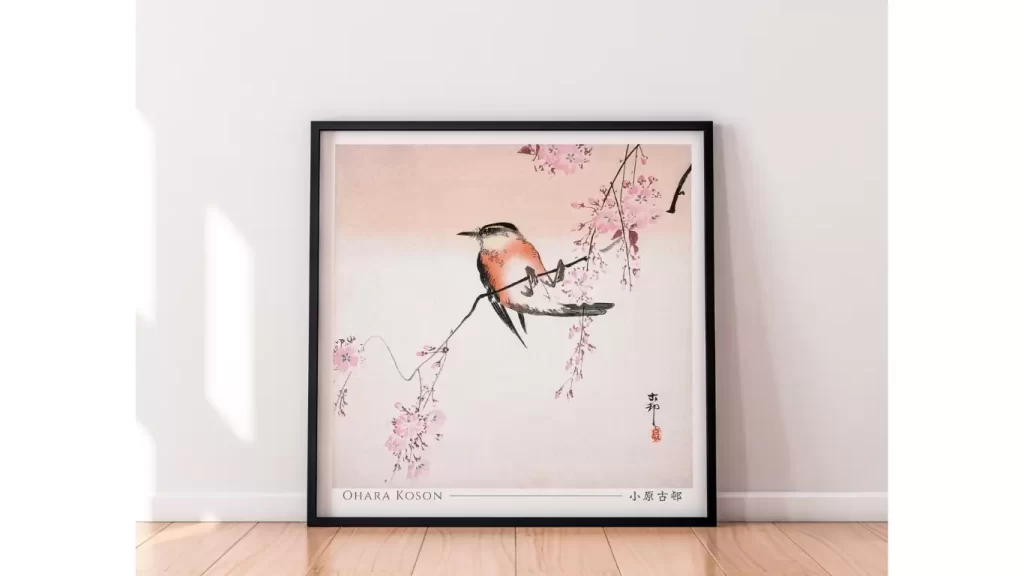
The next time you encounter flowers in Japanese art, consider what they might be communicating beyond their appearance.
A blossom may represent hope after winter, a reminder of life’s impermanence, or a wish for prosperity and happiness.
These layers of meaning help explain why floral imagery remains such a beloved part of Japanese artistic tradition.
More than decoration, flowers tell stories—quietly, beautifully, and across generations.