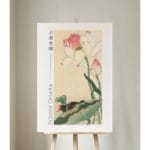

Birds appear again and again in Japanese art. At first glance, they may seem like simple elements of nature — beautiful, calm, and decorative. But in traditional Japanese imagery, birds often carry layered meanings shaped by season, poetry, and daily life.
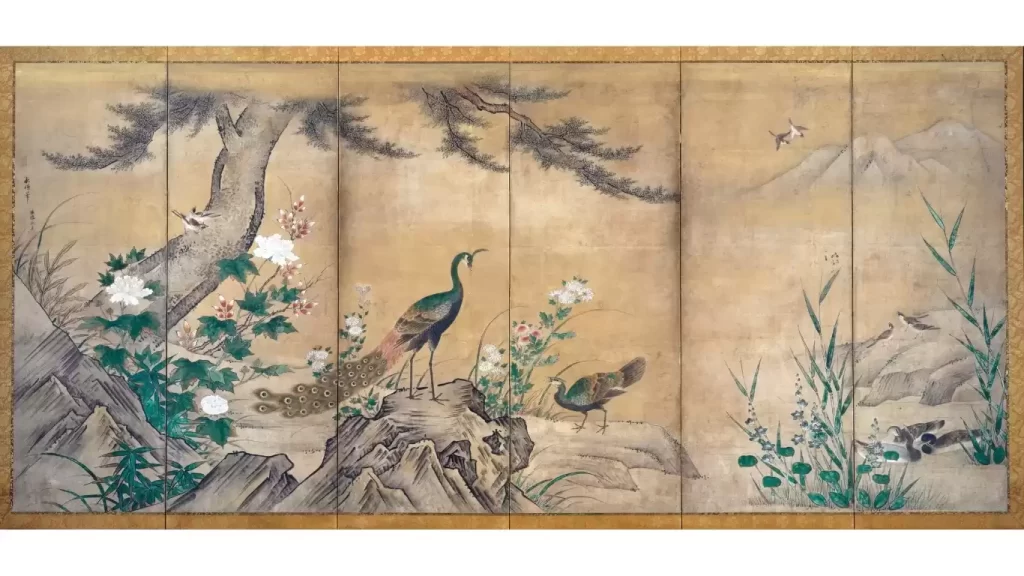
Understanding these symbols can change how you see a piece of art. What once felt simply “pretty” may begin to feel personal, intentional, and quietly powerful.
Why Birds Are So Common in Japanese Art
Japanese art has long been influenced by close observation of nature. Rather than dramatic scenes or heroic figures, artists often focused on fleeting moments — a bird resting on a branch, flying across water, or calling at dawn.
Birds were especially meaningful because they:
- Mark the changing seasons
- Represent movement and impermanence
- Connect the human world with the natural one
In woodblock prints, birds were never random. Their species, posture, and surroundings all mattered.
Common Birds and Their Symbolism
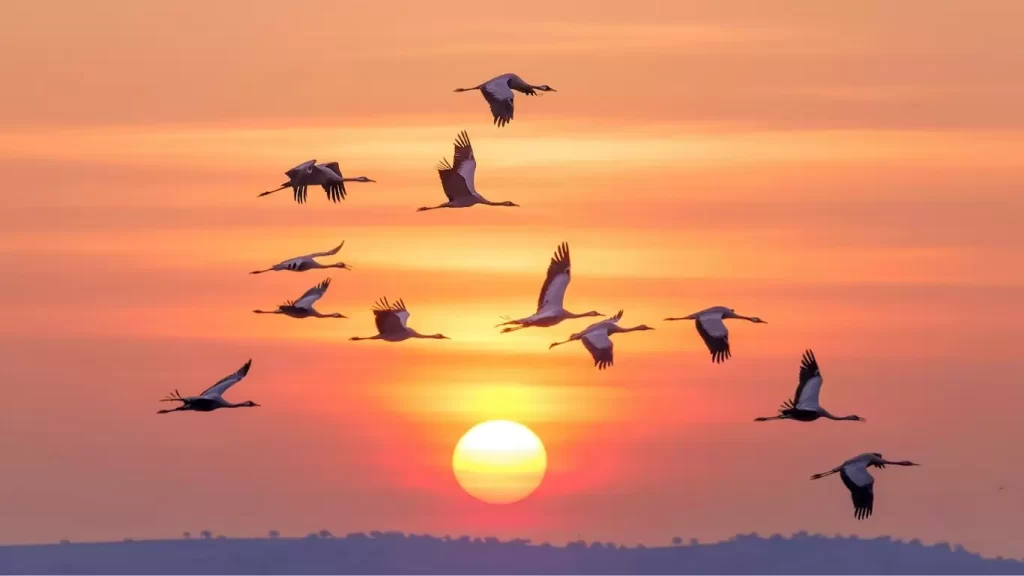
Cranes (鶴 / Tsuru)
Cranes are one of the most well-known symbols in Japanese art.
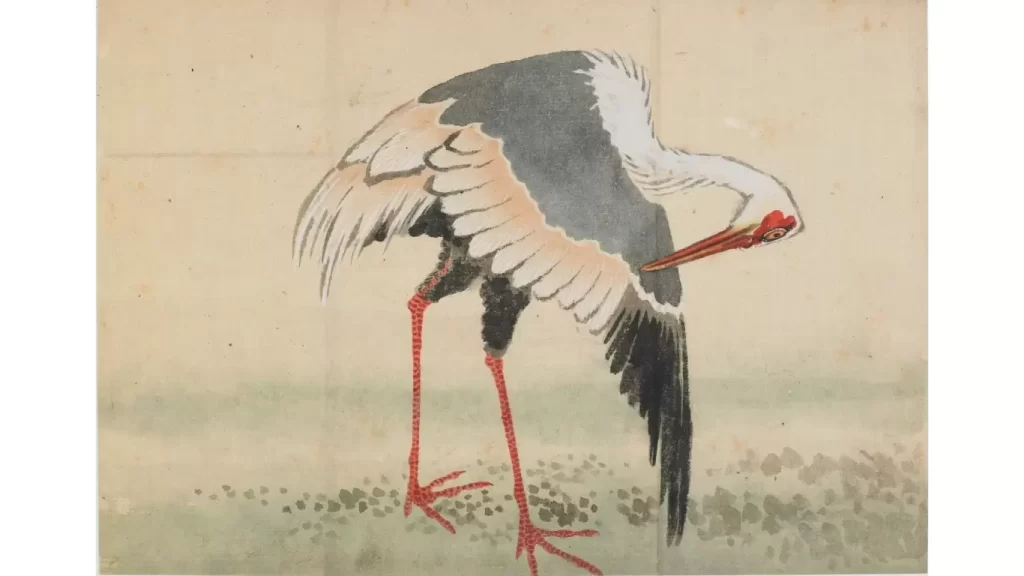
They often represent:
- Longevity and good fortune
- Fidelity and lasting bonds
- Peace and elegance
Because cranes were believed to live for a thousand years, they frequently appear in art meant to convey wishes for a long, harmonious life.
Birds of Prey (Hawks & Eagles)
Hawks and eagles are associated with strength and sharp perception.
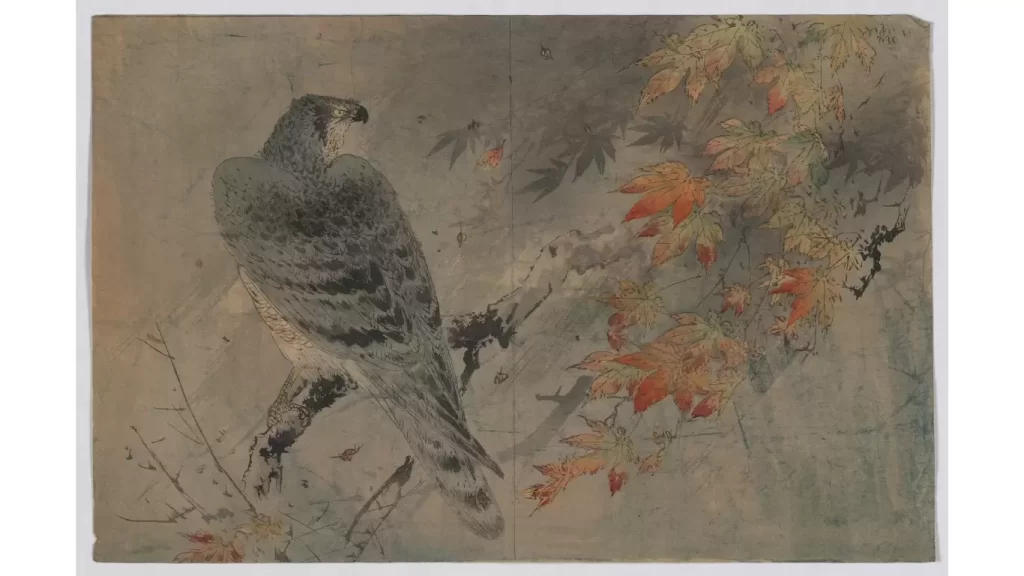
In Japanese symbolism, they can represent:
- Focus and determination
- Nobility and discipline
- Protection
These birds often appear poised and alert, emphasizing control rather than aggression.
Sparrows (雀 / Suzume)
Sparrows are small and common, yet deeply symbolic.
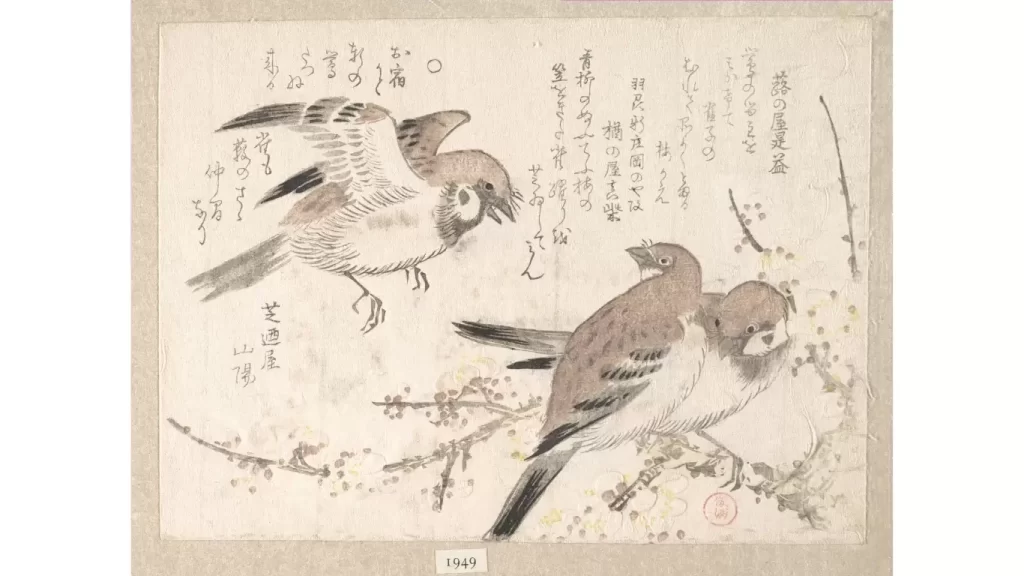
They often suggest:
- Everyday life
- Community and cooperation
- Joy found in simplicity
Their presence reminds viewers that ordinary moments hold meaning.
Herons and Egrets
Tall, quiet, and graceful, herons and egrets are often shown near water.
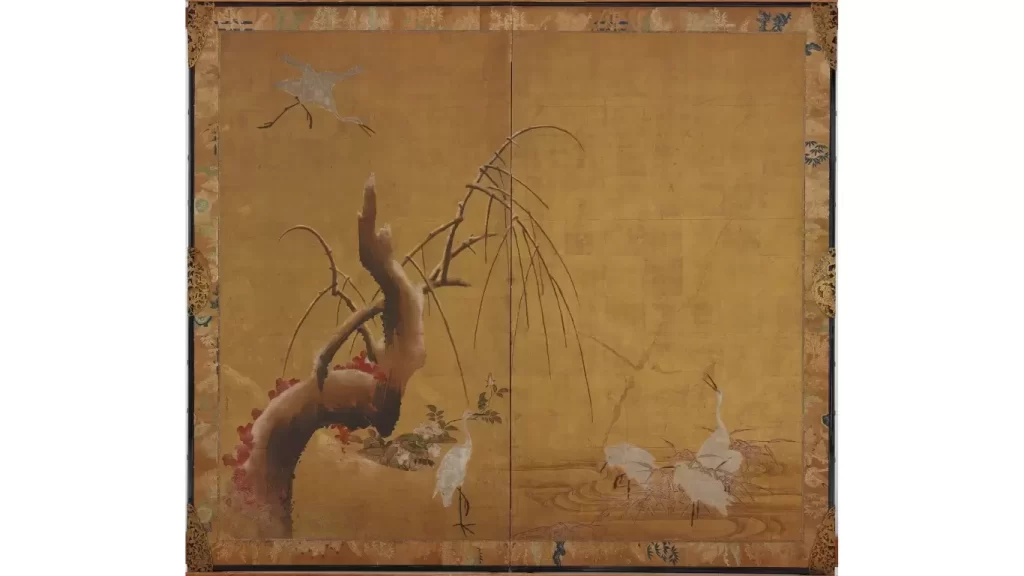
They are commonly linked to:
- Purity and patience
- Solitude and reflection
- Calm strength
These birds are frequently featured in prints designed to evoke stillness.
Birds, Seasons, and Emotion
In Japanese art, birds are often paired with specific seasons:
- Spring birds suggest renewal and beginnings
- Summer birds evoke vitality and warmth
- Autumn birds reflect change and quiet melancholy
- Winter birds emphasize endurance and calm
For viewers familiar with these associations, a single bird could communicate an entire emotional landscape.
Why This Symbolism Still Resonates Today
Even without knowing the historical meanings, many people feel drawn to bird imagery in Japanese art.
That’s because these works don’t demand attention — they invite it. The symbolism is gentle, leaving space for personal interpretation.
In modern homes, bird prints often bring:
- A sense of calm
- A connection to nature
- Visual breathing room
They speak quietly, but clearly.
Choosing Art With Intention
When selecting Japanese art for your space, symbolism can act as a guide rather than a rule.
You might be drawn to:
- Cranes for harmony and longevity
- Small birds for warmth and familiarity
- Water birds for stillness and balance
There is no wrong choice — only what resonates with your own sense of calm and meaning.
Japanese bird imagery reminds us that beauty does not need to be loud to be profound.